Do You Know Who Made Your Clothes?
You probably know your size and what you paid for your clothes. But do you know who sewed them? While researching this topic, I started looking through the tags in my own clothes. Inside one tank top, I found two tags, including one introducing a worker named Rosa. That discovery made me curious about what clothing brands share about their workers and what they leave out.
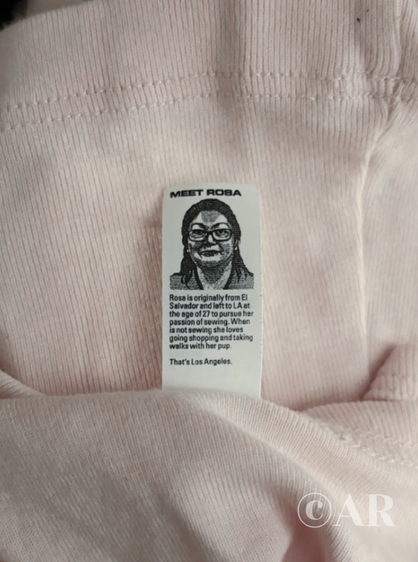
Figure 1: Meet Rosa: A Garment Worker Profile Sewn Into a Garment
Note. Tag sewn inside a tank top with a printed portrait and short profile of the worker. Photo by Ava Remillard, 10/11/26
What Did These Two Tags Say?
The first tag says “Meet Rosa” with a portrait of her. It goes on to say she is originally from El Salvador and moved to Los Angeles at age 27 to follow her passion for sewing. When she is not sewing, she loves going shopping and taking walks with her dog.
The second tag paints a broader picture. Under the heading “Our Workers Are Our Partners” the brand says this garment was sewn in South Central, Los Angeles, by workers who are part of the company. It also promises to make products in a way that advances their lives and the community.
Most clothing tags tell you how to wash the item. These two introduce a garment worker and identify where the garment was sewn. They made me think about information I had never looked for on a clothing tag.
Why Are the People Who Sew Our Clothes Paid So Little?
In The Dynamics of Fashion, Stone and Farnan (2022) explain that pressure to keep production costs low encourages fashion companies to seek inexpensive labor across countries with different labor laws and working conditions. Concerns about unsafe workplaces, child labor, and low wages have existed for decades.
The authors also argue that consumer demand for inexpensive fashion helps sustain low garment worker wages (Stone & Farnan, 2022). This made me think about how my own expectations about clothing prices connect to the people producing what I buy.
The textbook’s comparison of selected garment producing countries lists monthly minimum wages in 2018 ranging from $26 in Ethiopia to $340 in Turkey (Stone & Farnan, 2022). These are historical figures, rather than current wages.
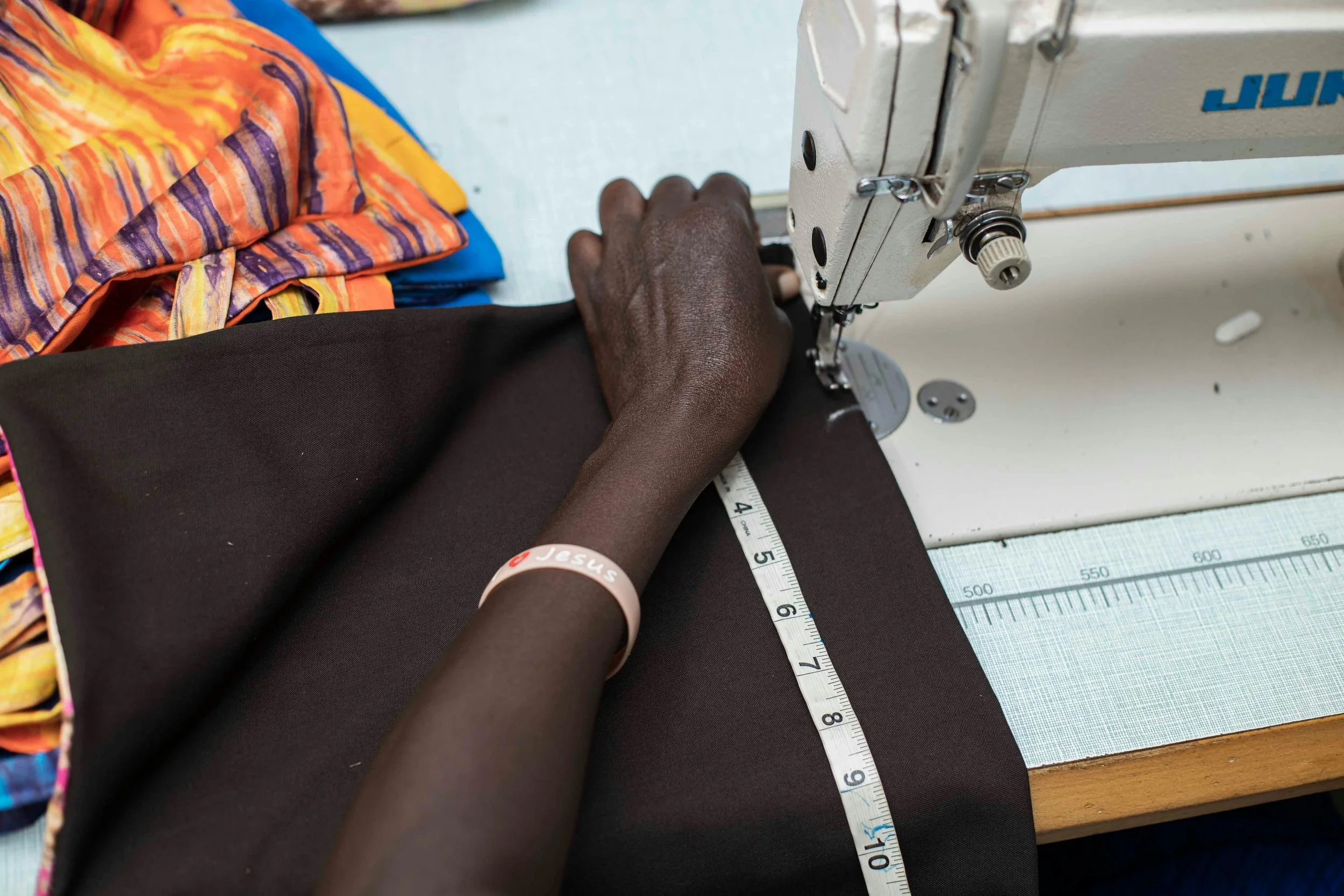
Figure 2: Sewing by the Wawoto Kacel Craft Group in Uganda
Note. Close up of a person guiding fabric through a sewing machine. Photograph © Chris Lutanga & ITC, shared by Ugandan Crafts on Unsplash. https://unsplash.com/photos/person-in-black-shirt-and-black-pants-playing-sewing-machine-ZWxPGOcUzR4
Shoppers seem to care. A 2018 Fashion Revolution survey asked 5,000 people in Europe what matters to them when they buy clothes. More people (39%) said it was important that clothes are made by workers paid a fair living wage than other topics. Protecting the environment came next at 37%, then safe working conditions at 31%. Animal welfare got 30%, local production 10%, and recycled materials 6% (Mathews, 2018).
What Happened at Rana Plaza?
The Rana Plaza disaster helped inspire the creation of Fashion Revolution. On April 24, 2013, a building called Rana Plaza collapsed in Bangladesh. More than 1,100 people were killed and thousands more were hurt (Stone & Farnan, 2022).
The building held several clothing factories that employed about 5,000 people. Days before the collapse, workers had reported cracks in the walls, and everyone was evacuated. Then the building owner said it was safe. Workers were pushed back inside, and some companies threatened to cut the pay of anyone who refused (Stone & Farnan, 2022).
Stone and Farnan (2022) describe this tragedy as a turning point in the fashion industry’s efforts to improve sustainability and working conditions. The workers affected by Rana Plaza were real people who went to work to make clothing
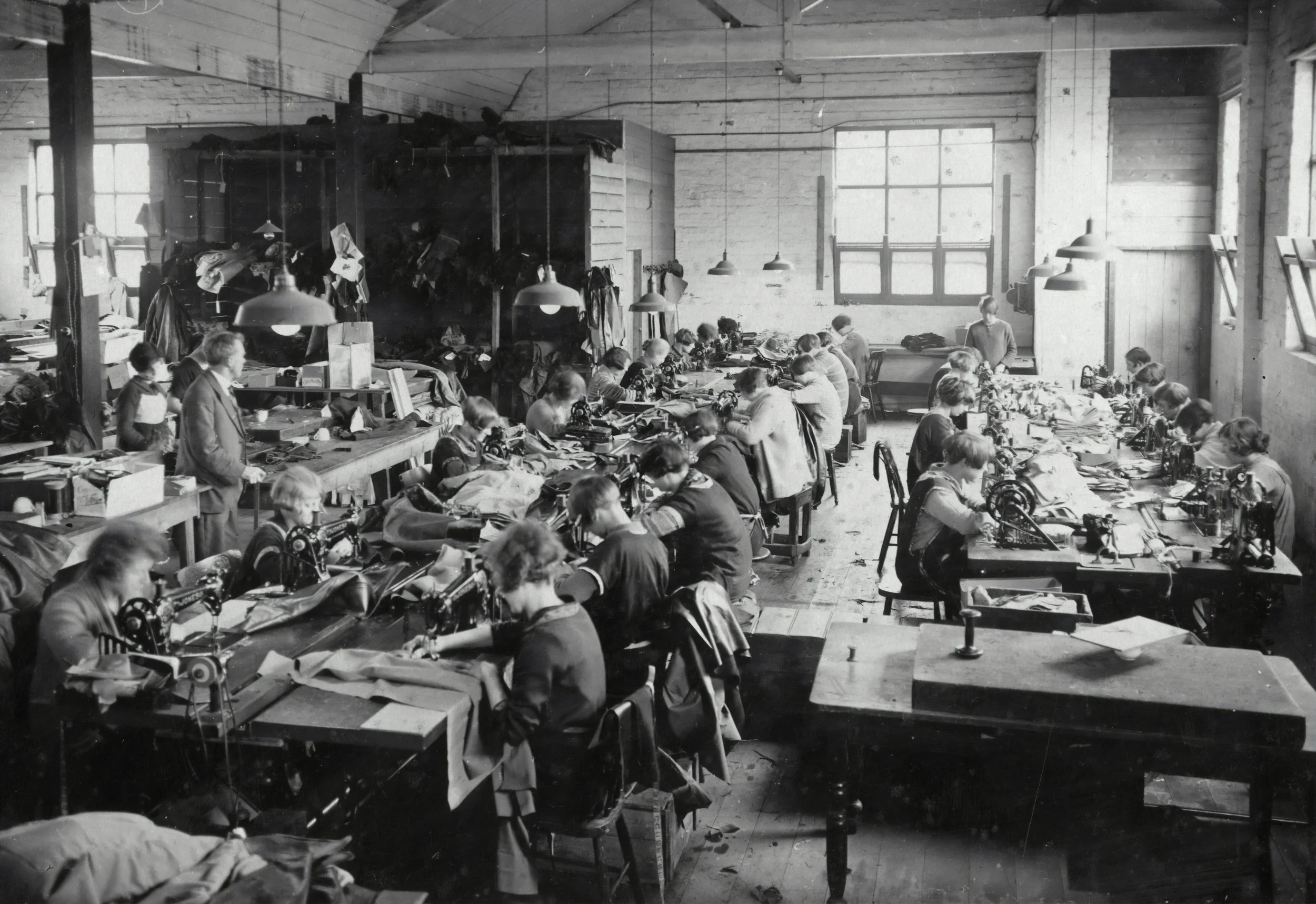
Figure 3: Workers at Simpson’s Gloves Factory, Circa 1932
Note. Historical photograph of workers seated at sewing machines at Simpson’s Gloves Pty Ltd in Richmond, circa 1932. Image shared by Museums Victoria on Unsplash. https://unsplash.com/photos/a-group-of-people-working-in-a-factory-7YUvAUbfSV0
What Is the Fashion Revolution?
Fashion Revolution formed after the Rana Plaza disaster. Stone and Farnan (2022) describe it as a nonprofit global movement working through research, education, collaboration, and advocacy to encourage reform in the fashion industry. A central focus of theirs is transparency, asking brands to disclose more information about their supply chains.
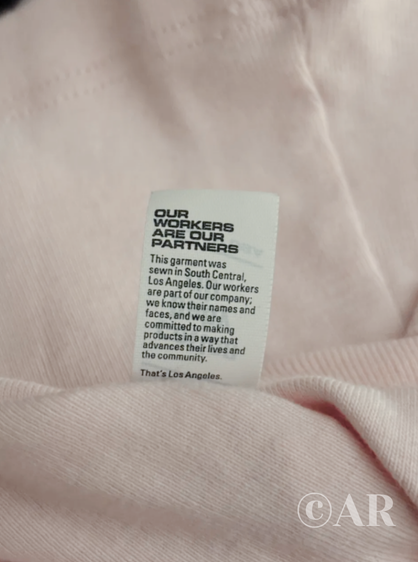
Figure 4: Our Workers Are Our Partners: A Brand Statement About Who Sewed The Garment
Note. Second tag from the same garment, stating where it was sewn and the company's commitment to its workers. Photo by Ava Remillard, 10/11/26
The group’s best known tool is a simple question. The campaign #Whomademyclothes started in 2015. By 2018 it had reached 720 million impressions on social media, up 30% from the year before. The group says more shoppers want to know how their clothes are produced (Stone & Farnan, 2022).
Fashion Revolution’s Fashion Transparency Index examines how much information major brands disclose about their supply chains, policies, and social and environmental impacts. It measures disclosure, rather than whether a brand is sustainable. In the 2020 assessment described by Stone and Farnan (2022), the average score across 250 brands was 23%.
What Do Shoppers Say They Want to Know?
The Apparel Insider report on Fashion Revolution’s survey of 5,000 European consumers gives a clear answer. The survey asked people aged 16 to 75 in Germany, the United Kingdom, France, Italy, and Spain how knowing about a product's supply chain and sustainability affects what they buy (Mathews, 2018). A supply chain is the path a product takes from start to finish. The results:
80% said fashion brands should publish the factories used to make their clothes (Mathews, 2018)
Two thirds said they want brands to tell them where the materials in their products come from (Mathews, 2018)
More than one in three said they think about social impacts (38%) and environmental impacts (37%) when they buy clothes. (Mathews, 2018)
These results come from European consumers, so they do not speak for every shopper everywhere. Still, they show that many people want to know who makes their clothes and where.
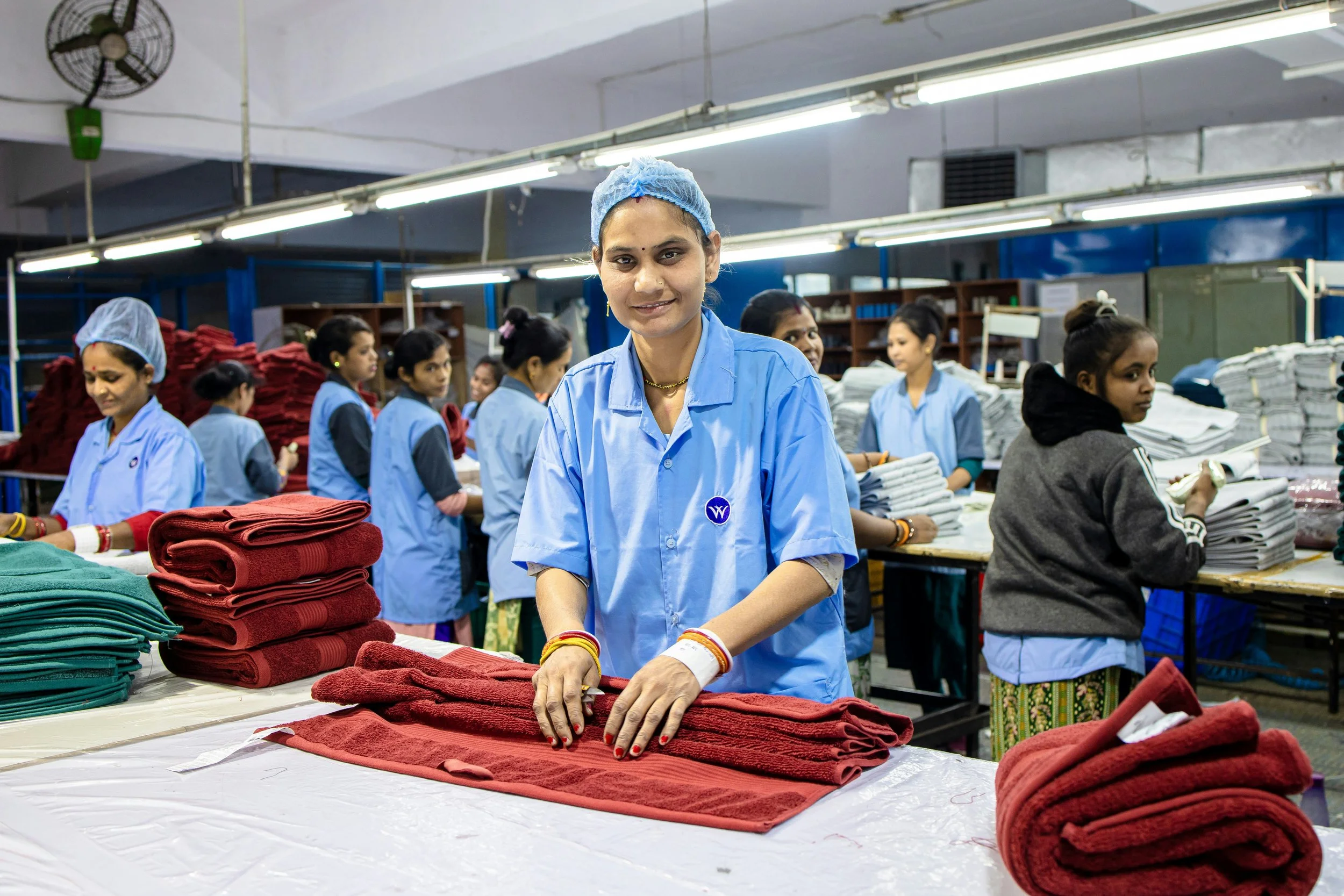
Figure 5: Textile Workers Folding Towels in a Factory
Note. A worker folds a red towel while other workers handle stacks of towels in the background. Photograph by EqualStock on Unsplash. https://unsplash.com/photos/textile-workers-are-folding-fabric-in-a-factory-QFYoqTW-wXU
What Can a Tag Tell Us, and What Can’t It?
Now back to my two tags. They answer part of the question. They introduce Rosa and state where the garment was sewn. But a tag is a brand’s own words, and it is worth reading carefully.
The tags do not say what Rosa is paid. Fair pay was the topic the most survey respondents called important (Mathews, 2018).
They do not say where the fabric comes from. Two thirds of respondents want to know that (Mathews, 2018).
The Transparency Index works the same way. Sharing information is not the same as proving a brand is sustainable (Stone & Farnan, 2022).
I see these tags as a good start. They show openness. They also leave good questions for any shopper to ask.
What Makes a Brand Claim Believable?
One document shoppers can look for is a supplier code of conduct. It sets expectations for factories concerning issues such as child labor, wages, and working conditions. Stone and Farnan (2022) describe Inditex’s code as covering forced labor, workplace safety, wages, working hours, and other employment standards. However, a signed code alone does not prove that these requirements are being followed.
Brands make decisions about suppliers and production, while shoppers make decisions about what to buy and how to use their clothes. Stone and Farnan (2022) explain that consumers can contribute by buying thoughtfully, repairing clothing, and keeping garments in use longer. For me, looking more carefully at clothing labels is one place to start.
What Can You Ask the Next Time You Shop?
Here are four questions drawn from the survey findings and the textbook that you can ask the next time you shop:
Does this brand say where its clothes are made?
Does it publish its factories?
Does it say where its materials come from?
Does it share a code of conduct for the factories it works with?
The Takeaway
Rosa’s tag will not fix low pay in the clothing industry. What it does is show what openness can look like, a name, a face, and a place. The textbook connects demand for inexpensive clothing with continuing pressure on garment worker wages. We also know how many shoppers want to learn more about who makes their clothes. So the next time you check a tag, ask what it tells you and what it leaves out. Would knowing more about who made your clothes change where you shop?
References
EqualStock. (n.d.). [Photograph of textile workers folding towels in a factory]. Unsplash. https://unsplash.com/photos/QFYoqTW-wXU
Lutanga, C., & International Trade Centre. (2021, February 3). [Photograph of sewing by the Wawoto Kacel craft group in Uganda]. Unsplash. https://unsplash.com/photos/ZWxPGOcUzR4
Mathews, B. (2018, November 21). Consumers want brand transparency finds major European survey. Apparel Insider. https://apparelinsider.com/consumers-want-brand-transparency-finds-major-european-survey/
Museums Victoria. (n.d.). [Photograph of workers at Simpson’s Gloves Pty Ltd, Richmond, circa 1932]. Unsplash. https://unsplash.com/photos/7YUvAUbfSV0
Stone, E., & Farnan, S. A. (2022). The dynamics of fashion (6th ed.). Bloomsbury USA. https://reader2.yuzu.com/books/9781501373060
