Who Are Fashion Shows Really For?
You see a runway look online, love it, and want to know where to buy it. But seeing a new collection does not always mean the clothes are ready for your closet. Fashion shows introduce designs, while the shopping timelines can be a different story.
In women's apparel fashion shows serve a business purpose, designers present collections to retailers and the fashion media. Social media and more intimate selling methods have added another consideration, shoppers who want to buy what they have just seen on the runway (Stone & Farnan, 2022).
So who are fashion shows really for? Looking at runway shows, see now buy now collections, and trunk shows reveals how these events connect designers, stores, the press, and shoppers. It also helps explain why some pieces are available right away while others require a wait.
The Business Behind the Runway
To understand fashion shows, we will start with how women’s apparel reaches stores. Stone and Farnan (2022) explain that most fashion producers sell directly to retailers rather than through wholesale distributors. Except for some staple items, fashion changes too quickly to allow extra time for intermediaries to sell, resell, and store merchandise.
Producers also promote their clothing to both retailers and consumers. Their methods induce advertising, publicity, and sales promotion. Fashion shows are a major part of the public relations effort in women's apparel, giving designers a place to introduce new collections to retailers and fashion media (Stone & Farnan, 2022).
The people watching have different roles. Retailers are an audience for the merchandise, while reporters and bloggers examine collections to develop fashion coverage. Editors also receive photographs, press releases,s and interviews to help communicate those collections to readers (Stone & Farnan, 2022)
For a shopper, this provides useful context. The runway image you encounter is part of a larger process connecting a designer's collection with the stores that sell it and the media that cover it.
The Press Once Had Separate Showings
The relationship between fashion shows and the press has changed. According to Stone and Farnan (2022), designers once held press weeks after their formal line openings. These events presented merchandise specifically to the press rather than to buyers.
At first, press weeks included clothing across price categories. Lower priced merchandise was gradually removed, leaving excluding presentations of higher priced fashion. Eventually, cost and timing led to the elimination of those press weeks as well. Transitioning to press then seeing collections at the same time as retailers (Stone & Farnan, 2022).
That sequence matters. Main points being:
Designers present new collections to retailers and fashion media.
The press once had separate events called press week.
Those separate events ended because of cost and timing.
This change shows that the way collections are presented has already been revised over time. The move toward digital presentations and faster selling is another part of that ongoing adjustment.
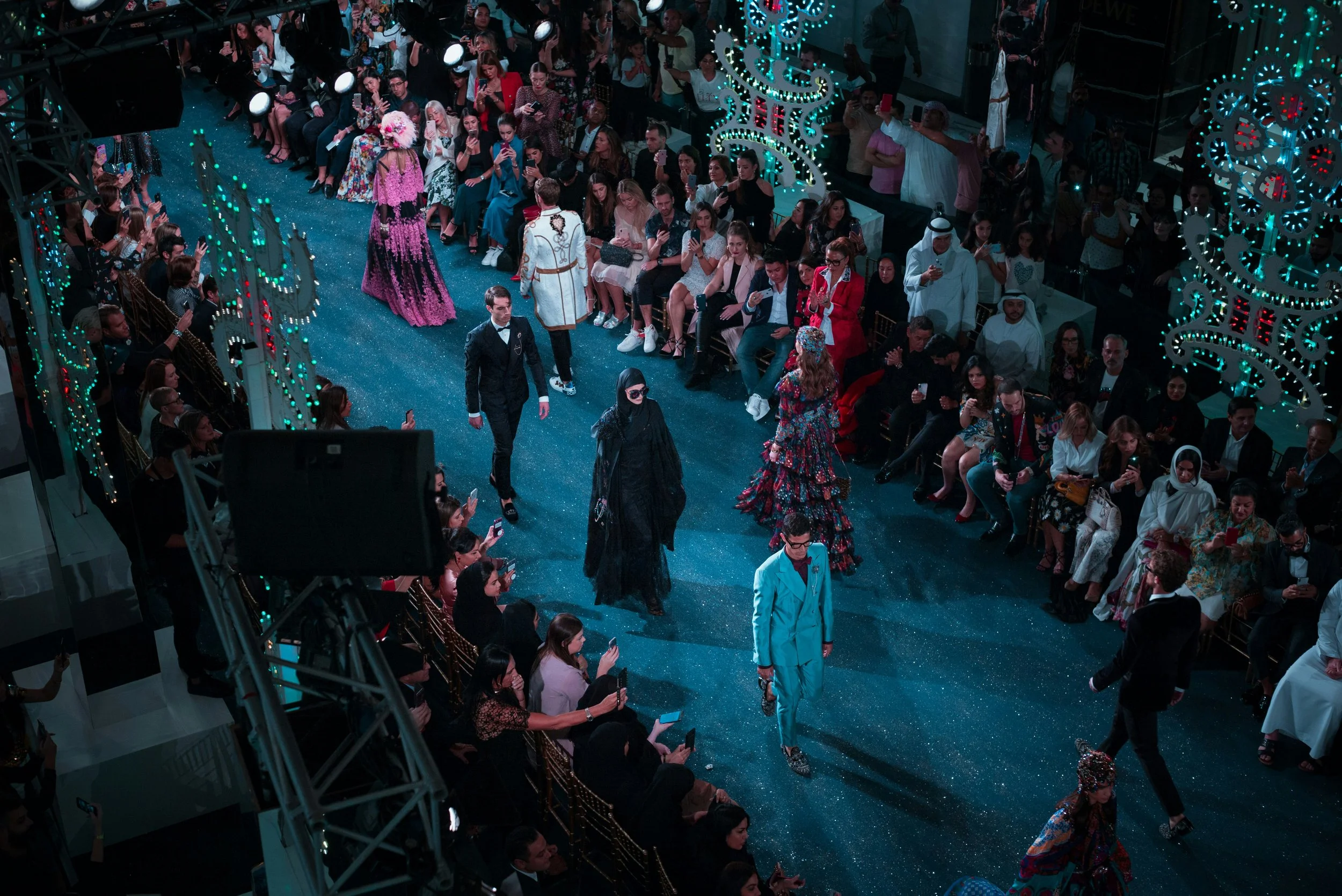
Figure 1. A Runway Show in Front of a Full Audience
Note. Models walk a runway between rows of seated guests, many of whom are holding up phones. Photo by Michael Lee, Unsplash. https://unsplash.com/photos/people-fashion-show-on-stage-5Z9bgfRZLLE
Why Seeing a Collection Can Mean Waiting to Shop
A fashion show and a product release do not necessarily happen together. Stone and Farnan (2022) describes seasonal runway collections appearing months before the clothing reaches retail stores. Also discussing efforts to shorten the time between presentation and the merchandise becoming available for purchase.
Traditionally presentation and purchase have been separated by months. For shoppers, that distinction helps explain a familiar question, why show clothing that can not be bought?.
In response to digital communication, social media, and the emerging see now buy now model brands are moving towards more immediate marketing. The goal being to bring products into customers' wardrobes sooner. (Stone & Farnan, 2022).
The COVID-19 pandemic for example, pushed large fashion events toward digital and digital reality formats. Writing in 2022, the authors report that industry exports expect those changes to have lasting effects (Stone & Farnan, 2022).
These developments help explain the pressure to connect a collections presentation more closely with its availability.
What Does See Now Buy Now Mean?
See now buy now means shoppers can purchase pieces when they are presented, rather than waiting for the usual later release. The important detail is that immediate availability does not necessarily apply to every item in a collection.
In The Return of See-Now-Buy-Now, BUYING SQUARE (2026) describes how quickly runway images can circulate through social media. A runway image can now spread across feeds around the world in about two hours creating pressure to make products available while shoppers are interested.
The article also explains that the model has faced practical problems. Burberry and Tom Ford tried it in 2016 but later stepped away because of supply chain limitations and confusion among wholesale partners, the retailers buying their merchandise (BUYING SQUARE, 2026).
The newer approach described in the article is more selective. Brands make a few key pieces available immediately while keeping the rest on a preorder schedule. Coach provides one example, the article reports that a bad and varsity jacket became available for purchase during its New York show (BUYING SQUARE, 2026).
For shoppers, the question becomes more specific than “Can I buy this collection?” it is “Which pieces can I buy now, and which will arrive later?”
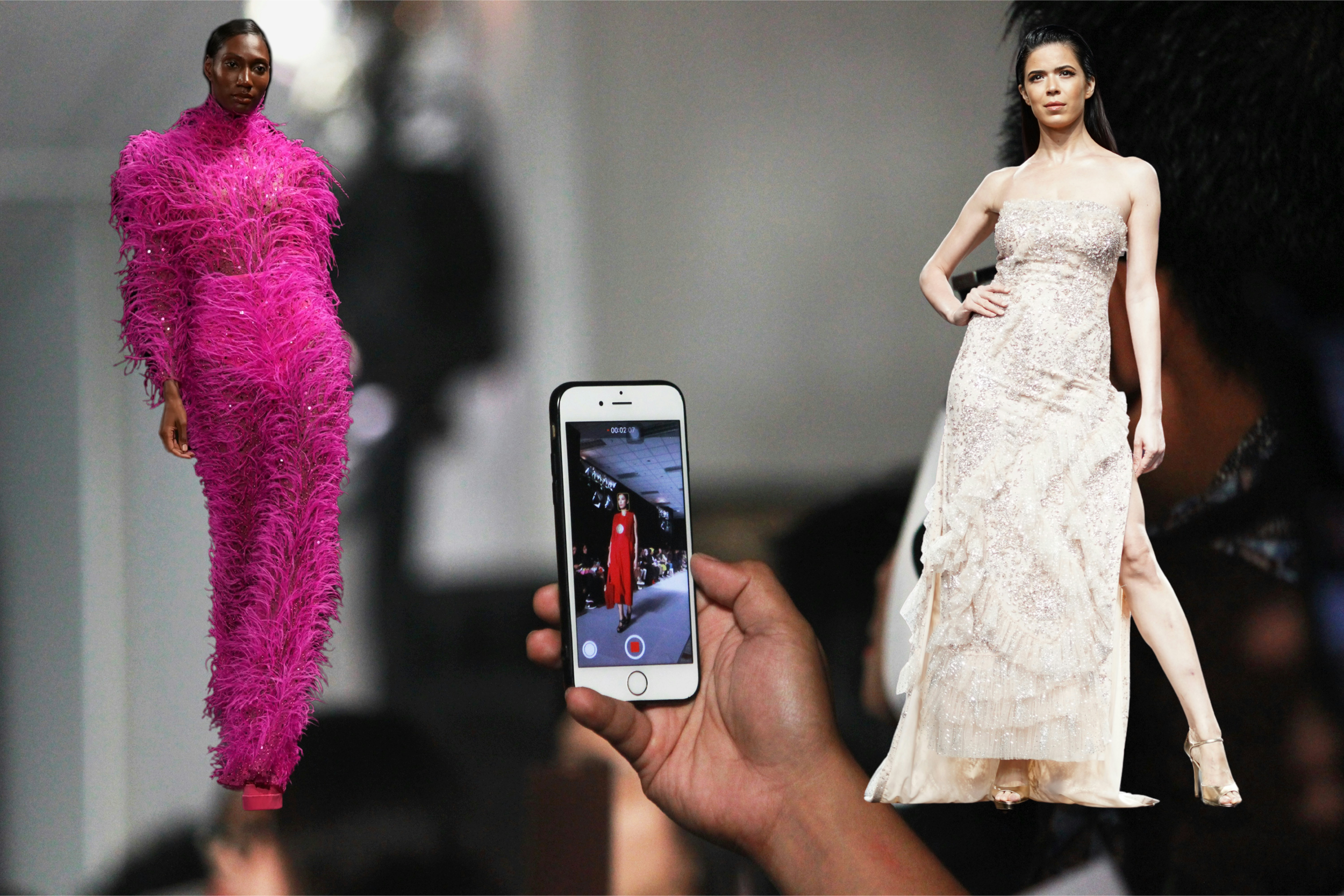
Figure 2.Fashion From the Runway to Your Phone
Note. Collage created by Ava Remillard in Canva using photographs by sofia inductgroup, Highlight ID, and Yogendra Singh on Unsplash.
Where Do Stores Fit In?
Even as selling methods change, retailers remain part of the relationship between brands and shoppers. Women's apparel producers direct promotional efforts towards both groups. Their work includes more than presenting a collection at a show (Stone & Farnan, 2022).
Manufacturers may support stores with display ideas, sales training, promotional talks, advertising assistance, webinars, and online videos. These tools help retailers present and sell the merchandise they carry (Stone & Farnan, 2022).
Companies may specialize by clothing category, size range, or price level. Bridal wear, activewear, and evening wear, for example, meet different needs. Some producers offer multiple lines at a different price to reach more than one customer group (Stone & Farnan, 2022).
This adds another layer to the question of who a fashion show serves. A collection has an intended customer, and the retail business involves connecting merchandise with the people it is designed to reach.
For shoppers, that means a runway collection is only part of the picture. The category, selection, price, and way the clothing is presented also matter when it comes time to shop.
Trunk Shows Bring the Collection Closer
Runway shows are one way to introduce clothing. Trunk shows offer a more personal setting, bringing a manufacturer's collection to a retail store's sales staff and customers.
Stone and Farnan (2022) explain that a company representative, sometimes the designer, typically presents sample garments in a presentation. Afterward, customers can discuss the styles, review prices they have seen, and place orders.
This personal attention is central to the experience. Customers see clothing in an intimate setting and can receive individual guidance from the designer or brand representative. The presentation is connected directly with an opportunity to discuss and order the merchandise (Stone & Farnan, 2022).
Trunk shows can also give shoppers access to a wider selection. A store buyer may have a limit on how much merchandise they can purchase from one designer. At a trunk show however, customers can see almost the entire collection (Stone & Farnan, 2022).
That is an important distinction. The prices a store carried may only represent part of a designer's work. When a trunk show gives shoppers a change to explore more. Placing an order at the event should also be distinguished from taking clothing home immediately, not every piece at trunk shows are available for immediate delivery as they are likely sample garments.
Why Personal Attention Matters to Designers, Too
Trunk shows benefit more than the customer placing an order. Stone and Farnan (2022) describe advantages for retailers, manufacturers, and designers.
The retailer benefits from customer activity surrounding the event and earns a profit on the clothing ordered. The manufacturer can text the collection with customers and learn about their needs firsthand. Designers also get to see their clothing on the women who wear it. The experience gained at trunk shows help designers understand what works and what does not (Stone & Farnan, 2022).
Designers attribute anywhere from 20% to 43% of a line’s business to trunk shows. These events are partially effective for higher priced clothing because of their personal nature. It is important to note, those figures are reported in the Stone and Farnan 2022 textbook and they should not be read as a guaranteed result for every designer.
A designer presents a collection but customers also provide information through their questions, choices, and responses. The trunk show becomes a place to learn as well as sell.
Bridal Shopping Offers a Clear Example
Kleinfeld Bridal provides a practical example of how trunk shows work. On its Bridal Trunk Show Calendar, the salon explains that a designer brings an entire collection of new dresses or accessories to the store for the event (Kleinfeld Bridal, n.d.).
The designer, a brand representative, or both are available to help brides choose a dress and discuss styles and customizations (Kleinfeld Bridal, n.d.).
This example connects directly with Stone and Farnan’s (2022) description of trunk shows of including a broader collection, individual attention, and an opportunity to speak with someone representing the designs.
It also brings the blog's central question into focus. In this setting, the shopper is directly involved in the presentation. The clothing is there to be considered alongside questions and preferences.
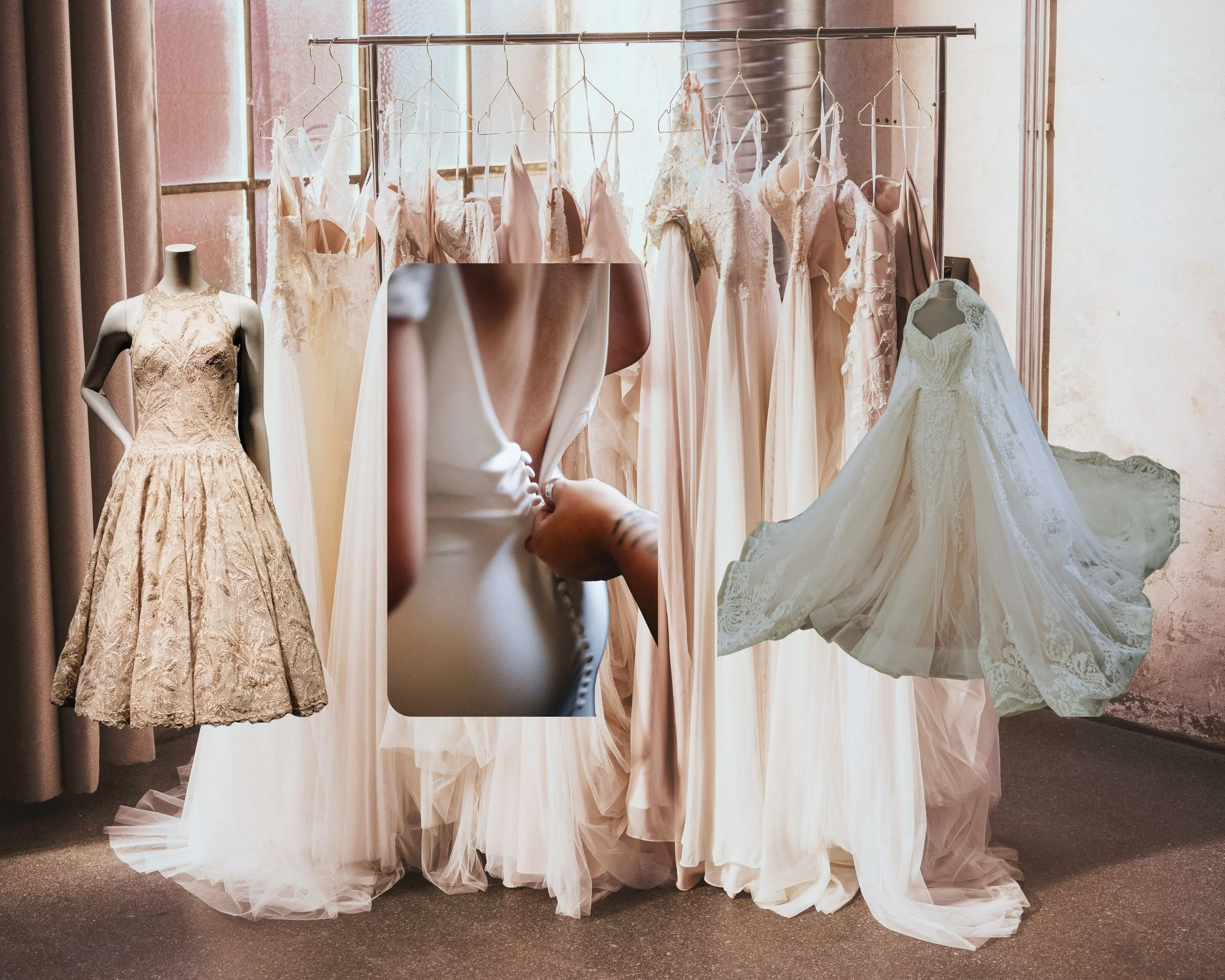
Figure 3. A Closer Look at Bridal Fashion
Note. Illustrative collage created by Ava Remillard in Canva using photographs by Filipp Romanovski, Fallon Michael, Marina Abrosimova, and Yves Monrique on Unsplash.
So, Who Are Fashion Shows Really For?
The sources point to several audiences. Designers present collections to retailers and fashion media. Digital communication puts pressure on the time between seeing clothing and being able to buy it. Trunk shows bring customers into a more personal setting where they can explore a collection and place orders.
My takeaway is that fashion shows connect people with different roles in the same business. The designer introduces the clothing, the retailer connects it with customers, the press communicates the collection, and the shopper decides what belongs in their wardrobe.
The next time a runway look catches your attention, look beyond the image. Is it introducing a future collection, offering selected pieces for immediate purchase, or inviting costumes to explore and order? That difference helps explain how the clothing moves from a presentation toward your closet.
References
Abrosimova, M. (2020, July 12). White wedding gown on bed [Photograph]. Unsplash. https://unsplash.com/photos/white-wedding-gown-on-bed-S-T0FPEnGZM
BUYING SQUARE. (2026, October 19). The return of see-now-buy-now. The Bullet. https://www.thebullet-news.com/see-now-buy-now-2026-trend-for-buyers-en/
Highlight ID. (2019, November 21). Man holding smartphone [Photograph]. Unsplash. https://unsplash.com/photos/man-holding-smartphone-ZPKyG9_YvkI
Kleinfeld Bridal. (n.d.). Bridal trunk show calendar. Retrieved October 20, 2026, from https://kleinfeldbridal.com/pages/designer-events
Lee, M. (2018, December 2). People fashion show on stage [Photograph]. Unsplash. https://unsplash.com/photos/people-fashion-show-on-stage-5Z9bgfRZLLE
Michael, F. (2020, September 16). Woman in white tank top [Photograph]. Unsplash. https://unsplash.com/photos/woman-in-white-tank-top-jpiiDziFagQ
Monrique, Y. (2021, June 13). A sleeveless beige lace dress with gold embroidery on a mannequin against black [Photograph]. Unsplash. https://unsplash.com/photos/beige-lace-dress-with-gold-embroidery-LR99Ho2eIec
Romanovski, F. (2021, May 18). White dress shirt hanging on window [Photograph]. Unsplash. https://unsplash.com/photos/white-dress-shirt-hanging-on-window-Ey0daypzVBo
Singh, Y. (2019, October 24). Women’s white sleeveless dress [Photograph]. Unsplash. https://unsplash.com/photos/womens-white-sleeveless-dress-_c56tTiztfA
sofia inductgroup. (2026, July 23). Pink feathered gown on a model walking a fashion runway [Photograph]. Unsplash. https://unsplash.com/photos/pink-feathered-gown-on-a-model-walking-a-fashion-runway--6n9kRP5syw
Stone, E., & Farnan, S. A. (2022). The dynamics of fashion (6th ed.). Bloomsbury USA. https://reader2.yuzu.com/books/9781501373060
