Why Sustainable Fashion Materials Struggle to Scale
Imagine discovering a new material that looks and feels like leather but is made from mushrooms. Major fashion brands invest in its development, a luxury designer uses it to create garments, and the industry begins to see its potential. Then just a few years later production stops.
This is what happened to Mylo, a mushroom based leather alternative developed by Bolts Threads. Supported by brands including Stella McCartney, Kering, Adidas, and Lululemon. Mylo attracted significant attention as a possible alternative to traditional leather. However, on June 30, 2023 its production was put on standby (Lineapelle Magazine, 2023)
Mylo’s story raises an important question for the fashion industry of, what does it take for a sustainable material to move from an exciting idea to a product that can be produced at a large scale?
The answer involves more than how a material is made. Performance, sustainability, cost, and investment all affect whether a new material can succeed. Understanding these challenges help explain why some promising fashion innovations struggle to reach their full potential.
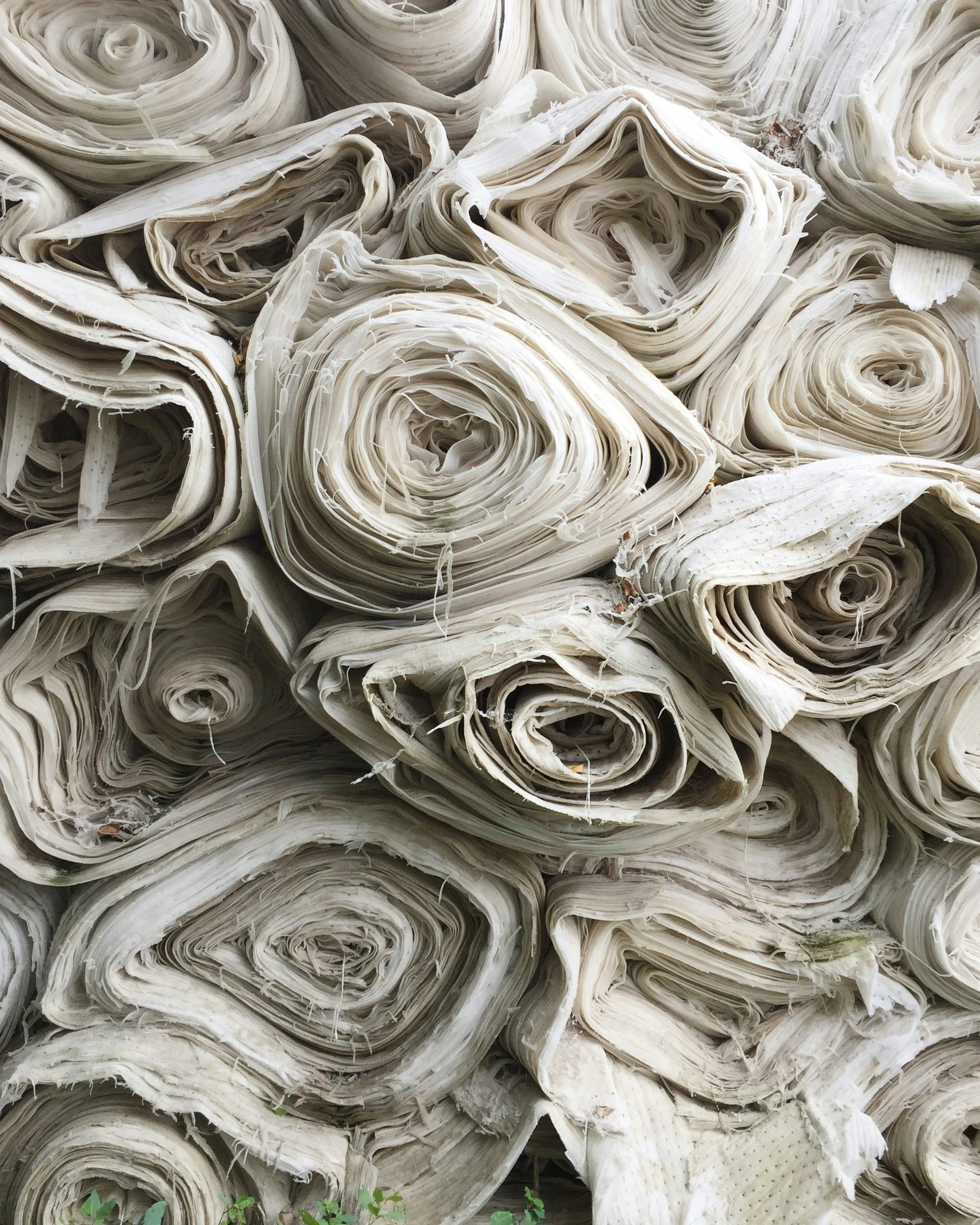
Figure 1: Stacked Rolls of White Fabric
Note. From White textile lot, by E. Bodnar, 2018, Unsplash (https://unsplash.com/photos/white-textile-lot-kgC99X3WH1w).
What Makes a Fashion Material Innovative?
Innovation in fashion begins long before a garment reaches a store. The fibers used to make fabric affect its texture, weight, color, and durability. They also influence how a material is manufactured and what it can be used for.
Manufactured fibers are an example of how material can be developed for different purposes. These fibers are divided into two main categories, regenerated and synthetic. Regenerated fibers, such as rayon, acetate, and lyocell are made from cellulose sources including wood pulp and cotton linters. Synthetic fibers, like polyester, nylon, acrylic, and spandex are made using material such as petroleum, coal, and natural gas (Stone & Farnan, 2022).
New approaches to fiber production are also creating opportunities beyond traditional textiles. Functional fabrics, for example, can do more than cover the body. They can be designed to monitor health and track sleep patterns (Stone & Farnan, 2022). These developments show that innovation can change both what fashion materials are made from and what they can do. However, creating a material with new properties is only one part of the process. For a material to become a practical option for fashion brands, it must also work for the products being designed and the production process behind them.
Why Designers Are Exploring Leather Alternatives
Leather alternatives have become one area of interest for designers looking for new materials. Some alternatives use polyurethane, while others explore sources such as mushrooms, pineapple leaves, and tea tannins (Stone & Farnan, 2022).
Stella McCartney is one example of a designer who has made alternatives to animal based material part of her brand’s identity. The company describes itself as the first luxury house to avoid leather, feathers, fur, and skins (Stella McCartney, 2021).
In March 2021, the brand introduced two garments made from Mylo, a black bustier top and utilitarian trousers worn by Paris Jackson. Developed with Bolt Threads, the garments demonstrated how mushroom based material could be used in luxury fashion. They were not available for sale and were interned to show the material potential for future products (Stella McCartney, 2021).
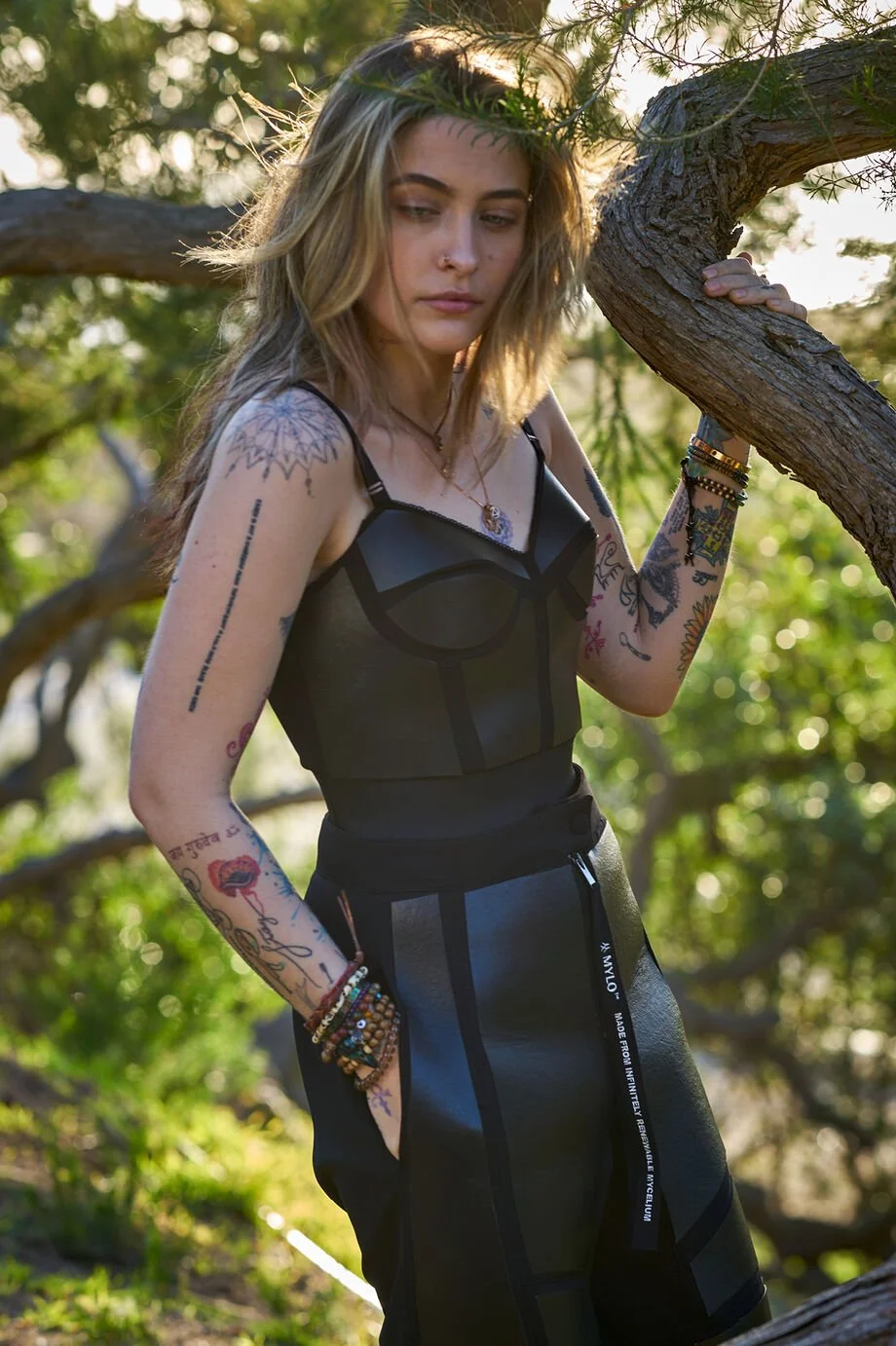
Figure 2: Paris Jackson Wearing Stella McCartney x Mylo Garments
Note. From The world’s first Mylo garments created from vegan mushroom leather, by Stella McCartney, 2021 (https://www.stellamccartney.com/stellas-world/the-worlds-first-mylo-garments-created-from-vegan-mushroom-leather.html).
Mylo is made from mycelium, the underground network associated with mushrooms. According to Stella McCartney, scientists at Bolt Threads developed the material by recreating the condition in which mycelium grows using mulch, air, and water in a laboratory. The brand also described Mylo as certified bio based, meaning it is made predominantly from renewable ingredients (Stella McCartney, 2021).
The ideas were appealing, developing a leather alternative using a different source of material and creating new possibilities for designers. Although, demonstrating that a material could be used in a garment is different from proving that it can be manufactured consistently and affordably at a larger scale.
Mylo: From Industry Excitement to Production Pause
Mylo received significant financial support from the fashion industry. In October 2020, Stella McCartney, Kering, Adidas, and Lululemon formed a consortium that invested a seven figure sum in Bolt Threads to help develop the material and expand production (Lineapelle Magazine, 2023). The investment reflected the interest in finding alternatives to traditional leather. Mylo had the backing of major brands and a clear place in the conversation about material innovation. Its development appeared to offer an opportunity to bring a new material into fashion on a larger scale.
By 2023, annual production had reached one million square feet. Despite that progress, Bolt Threads CEO Dan Widmaier announced that Mylo production had stopped on June 30, 2023. According to Lineapelle Magazine (2023), Widmaier explained that inflation had contributed to the decision by the companies funding Mylo to stop investing and direct their money toward artificial intelligence companies instead.
The production pause illustrates how quickly the future of a material can change. A company can develop a new product, attract major investors, and demonstrate its potential without securing the continued support needed to expand its production.
Mylo also faced design limitations. In February 2023, Stella McCartney turned to Mirum, a competing material made by Natural Fiber Welding. However, Widmaier stated that the design limitations were not the reason Mylo production was paused (Lineapelle Magazine, 2023)
The important point is that developing an alternative material involves several challenges at once. A material may interest designers, but it must also meet their needs, attract continued investments, and work within realities of commercial production.
The Challenge of Producing Materials at Scale
Producing a material in limited quantities is not the same as manufacturing it at an industrial scale. As demand grows, companies must find ways to produce enough material while managing costs and maintain the quantities that make it useful.
Lineapelle Magazine (2023) highlights three important requirements for alternative leather materials, performance, suitability, and a price comparable to leather. As cited Elyse Winer, a partner at investment firm Material Impact, explains that start ups can struggle to meet these requirements, sometimes limiting them to laboratory scale or small scale production.
Cost is another challenge. Luke Haverhals, founder of Natural Fiber Welding, notes that an alternative material that does not offer brand higher margins can be difficult to sell as cited in Lineapelle Magazine (2023). For designers and fashion businesses, this creates a difficult balance. A material must offer the quantities needed for the intended product while also making financial sense. If it is a difficult or expensive manufacture, its potential use across the industry may remain limited. This is not to say new material has no value. Rather, it shows why a promising idea needs a workable plan for production, pricing, and continued development.
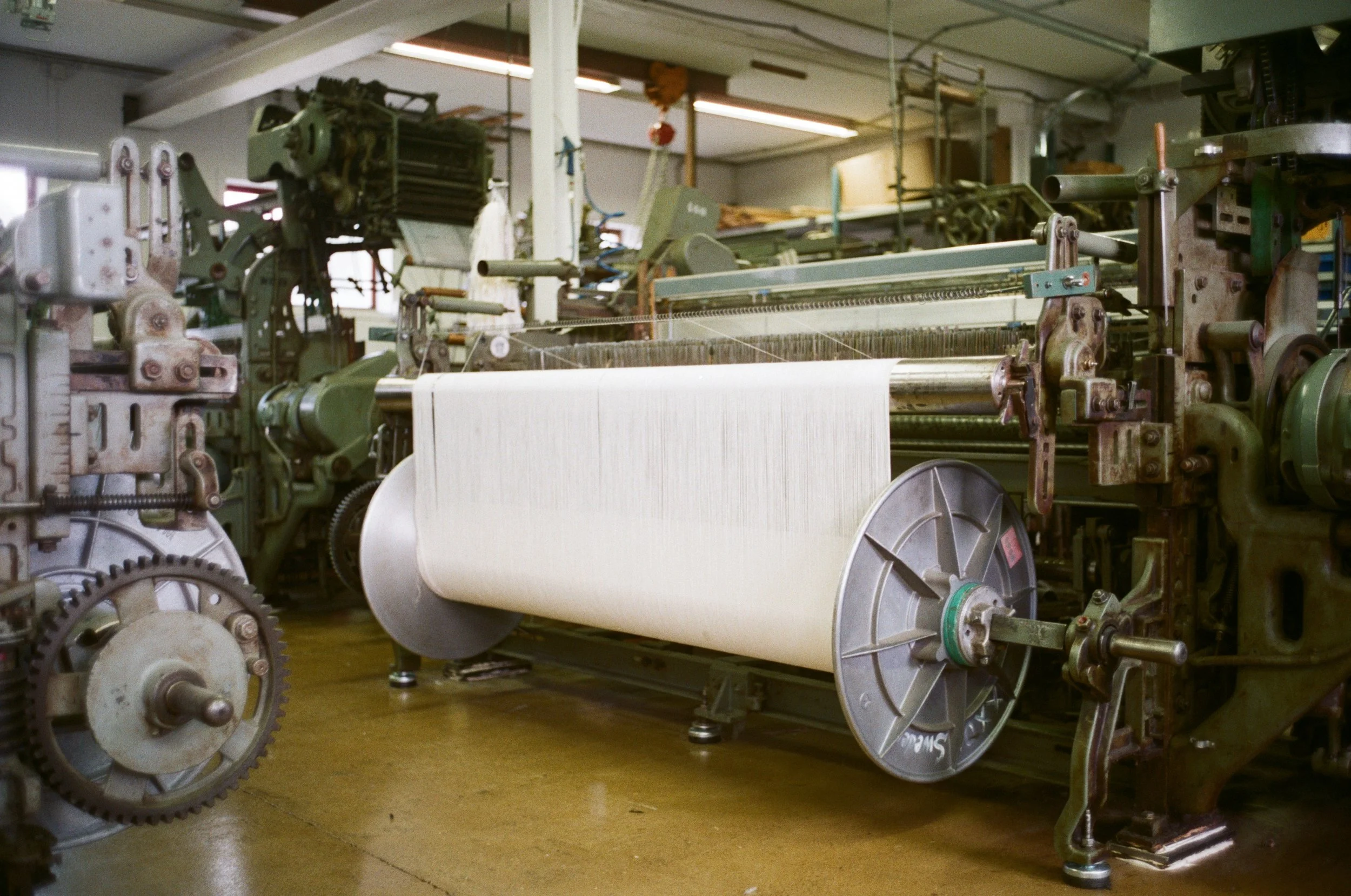
Figure 3: Industrial Weaving Loom in a Textile Mill
Note. From Industrial looms with large spool of white thread, by Bergstrand Consultancy, 2025, Unsplash (https://unsplash.com/photos/industrial-looms-with-large-spool-of-white-thread-74OQUbEPKso).
Sustainability Requires More Than a New Material
The appeal of materials such as Mylo comes partly from the possibility of reducing reliance on traditional materials. However, identifying a material as plant based or bio based does not automatically establish its overall environmental impact. The manufacturing process matters too. Stone and Farnan (2022) explain that even plant based fibers such as hemp, soy, and bamboo require careful evaluation because some manufacturing processes may not be environmentally friendly.
This is an important consideration when evaluating leather alternatives. The source of a material is only part of the picture. How it is processed and whether it can meet the needs of the final product also matter.
Fashion brands are also exploring ways to reduce waste by reusing existing materials. Eileen Fisher, for example, as of 2022 has collected approximately one million used clothing items since 2009. Through its RENEW program, nearly new garments can be resold, while other collected items can be used to create new clothing (Stone & Farnan, 2022). This approach is known as circular design. Instead of treating clothing as a product with only one use, circular design focuses on reusing material to create new products. However, expanding these practices can be difficult, time consuming, and expensive (Stone & Farnan, 2022).
What Fashion Brands Can Learn From Mylo
Mylo’s story and production pause offers useful lessons for anyone interested in fashion materials.
A promising idea is only beginning. A material must be ready for widespread production.
Performance matters. Designers need materials that can meet the requirements of the products they want to create.
Cost affects adoption. Brands must consider whether a material can be produced at a price that works for their business.
Production requires continued support. Developing a material at a larger scale takes investment, a change in funding can affect its future.
Sustainability claims need careful consideration. The material source in important, but so is the manufacturing process and final product.
A material may be exciting, but its long term value depends on whether it can move beyond early development and become a practical option for the industry. For fashion professionals, this is a useful distinction.
Can Fashion Materials Be Both Innovative and Ethical?
Mylo’s story shows that developing a new fashion material is more than finding an alternative to leather. It involved balancing design, performance, sustainability, cost, investment, and production.
Manufactured fibers, functional fabrics, leather alternatives, and circular design all offer different ways to rethink fashion materials. Yet each approach must work beyond the initial idea if it is to make a lasting difference.
For designers and brands, the challenge is to identify materials that meet their creative and practical needs while considering how those materials are made and used. For consumers, it is a reminder that a material described as innovative or sustainable still deserves a closer look.
The future of fashion materials will depend on only on what the industry can invent, but on what it can successfully produce and use.
References
Bodnar, E. (2018). White textile lot [Photograph]. Unsplash. https://unsplash.com/photos/white-textile-lot-kgC99X3WH1w
Bergstrand Consultancy. (2025). Industrial looms with large spool of white thread [Photograph]. Unsplash. https://unsplash.com/photos/industrial-looms-with-large-spool-of-white-thread-74OQUbEPKso
Lineapelle Magazine. (2023, September 4). The fairy tale without a happy ending of Mylo the Alternative. https://magazine.lineapelle-fair.it/en/green-corner-en/the-fairy-tale-without-a-happy-ending-of-mylo-the-alternative/
Stella McCartney. (2021, March 18). The world's first Mylo garments created from vegan mushroom leather. https://www.stellamccartney.com/stellas-world/the-worlds-first-mylo-garments-created-from-vegan-mushroom-leather.html
Stone, E., & Farnan, S. A. (2022). The dynamics of fashion (6th ed.). Bloomsbury USA. https://reader2.yuzu.com/books/9781501373060
